
Terminals +info
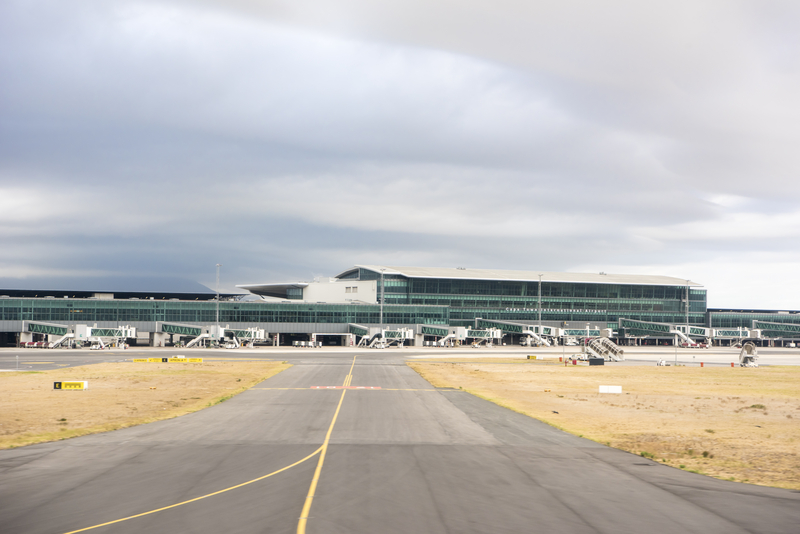
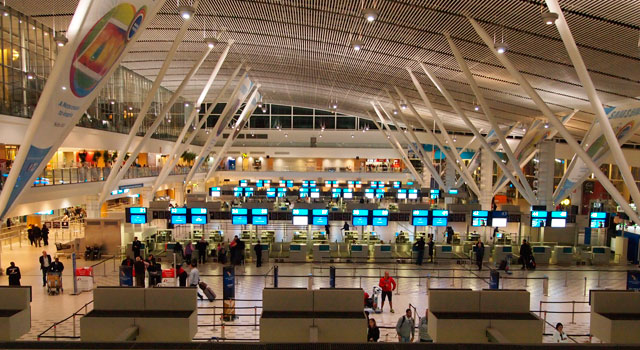
Cape Town Airport operates from an integrated terminal complex where all check-in takes place in the Central Terminal Building, connecting both domestic and international flights.
The International Terminal is located on the north (left) side of the building and serves long-haul and regional international routes. The Domestic Terminal is situated on the south (right) side and handles flights within South Africa.
Passengers must first check in at the Central Terminal before proceeding through security to their respective departure areas.
Reviews +info
On this website, you will find valuable tips and reviews about Cape Town International Airport , designed to help you navigate your travel experience smoothly. These reviews can help you understand what to expect in terms of service quality, cleanliness, and overall passenger experience.
-Our Review of Cape Town Airport
-Pros and Cons of CPT Airport
-Mini-Guide of the Airport (2’ Guide)
-Other reviews
-Some Stats
Transport +info
Cape Town International Airport offers several convenient transport options connecting the terminal with the city and surrounding regions.
Travelers can choose between public buses, airport shuttles, taxis, ride-hailing services such as Uber or Bolt, and car rentals, depending on their budget and travel plans.
The MyCiTi airport bus provides a relatively affordable connection to downtown Cape Town, while taxis and ride-share vehicles offer direct door-to-door transfers.
Shuttle services are popular for hotel transfers or trips to nearby tourist areas.
For visitors planning to explore the Western Cape, renting a car at the airport is also a common option, offering flexibility to travel to destinations such as the Cape Winelands or Cape Point.
Contact
Address:
Private Bag X9002, Cape Town International Airport
7525, SOUTH AFRICA
Phone:
+27 21 937 1200
Email:
customercare@airports.co.za
Official Website:
https://www.airports.co.za/airports/cape-town-international-airport
About Cape Town
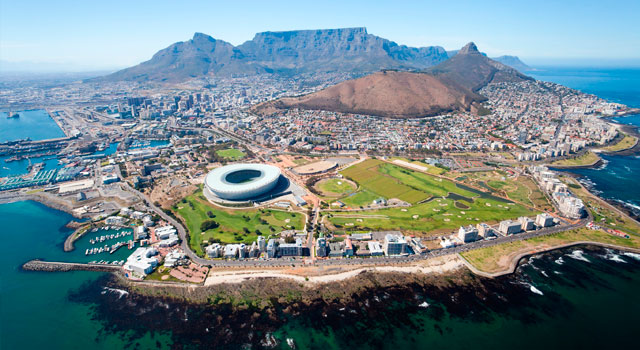
Cape Town, the second-largest city in South Africa, is celebrated for its breathtaking natural beauty, featuring the iconic Table Mountain and its picturesque location along the shores of Table Bay. As of 2025, the city’s metropolitan area has a population of approximately 5,064,000, reflecting steady annual growth. It serves not only as a legislative capital, hosting the South African Parliament, but also as a major international tourist destination due to its mild climate and diverse attractions.
Visitors can explore iconic landmarks such as Table Mountain National Park, Camps Bay, Chapman’s Peak Drive, and pristine beaches along both the Atlantic and Indian Oceans. Other must-visit spots include the Victoria & Alfred Waterfront, Sea Point, City Bowl, and Hout Bay. The city’s cultural tapestry is woven from a rich history dating back to 1652 and a diverse linguistic heritage, with Afrikaans, Xhosa, and English being prominent languages.
Cape Town’s urban landscape reflects its complex past, with apartheid-era spatial planning creating segregated townships on the outskirts. Despite challenges like unemployment and inefficient urban sprawl, the city is considered one of South Africa’s most equal. However, it faces environmental vulnerabilities due to climate change, including extreme weather events such as flooding and droughts. The city’s economic vitality is driven by sectors like tourism, finance, and manufacturing. With its vibrant cultural scene and stunning natural beauty, Cape Town remains a global destination for travelers and a hub for governance and economic activity in South Africa. Its unique blend of history, culture, and natural splendor makes it a standout city on the African continent.